Showing posts with label Monday Morning Lecture. Show all posts
Showing posts with label Monday Morning Lecture. Show all posts
Monday, 25 April 2016
Monday Morning Lecture - Final Lecture
This is the final lecture, which will take place on Monday Morning. The first part that we did was recap on what we focused on within the previous lecture, which was Images as Arguments. Within this lecture we looked at an image, were you could see a rabbit and a duck from several different angles. For this topic, we talked about how dissertations were different to other subjects this was because we use images to help is support our point and arguments that we are trying to make, which makes it known to be Images as Arguments.

Monday, 7 March 2016
Monday Morning Lecture - Week No. 28
Within this lecture we looked at the topic of Modernism and constructivism. Within this lecture we will also be looking into graphical imagery. We firstly watched a visual response from a film by Hitchcock called Psycho. Within this film the film had a weird visual, as it was hard to understand where the film was set. It is a powerful and nice type of film, I thought that this film was strange and quite hard to focus my eyes on because the film keep shuddering and skipping from two different versions of the film that had been created for this film. We then watched a calmer version of the two films mashed together from the two versions of the film ran side by side. On the left side you could see the Hitchcock version and on the right the Gus Van Sant. This is modernism film making against postmodernism film making. I thought that the second film that we were shown allowed me to understand what was being displayed on the screen a lot better than the first clip that we were shown.
We then talked about Periodisation. Periodisation is a simple process that is dividing an annual training plan into a set of manageable stages. After this we recapped on Modernism and Postmodernism. We then moved on to talk about Immanuel Kant about how he regularly thought about different points. Modernism introduces a crisis of representation, the style of a image that a camera is a straight of a representation using a grid. Invention of the camera but it is also a question of realistic science. We then looked at a piece of artwork by Les Demoiselles d’Avignon (1907) de-FORM-ation. African Masks, Subject Matter (Prostitution) Violence to representation. Picasso wants to acknowledge this aspects of the world. This image isn’t unified as objects blend in with the background. There is an act of cubism as people can’t see this image from different angles.
Cubism – Simplification of Shapes/Planes. Multiple simultaneous Perspectives. Synthesis of space and figures. Synthesis of movement, Temporal distortion of figure. We then had to think about the video that we were shown in a couple of lecture ago were we watched the film that the camera zoomed out and zoomed in to our bodies. We looked at pieces of artwork, which were Analytical Cubism and Atypical- but still cubist. We then looked at the camera that is used within athletics to understand who has won a race. This is known as a Photo Finish. Once we had done this we then looked at Tension in Cezanne 1904, Find a unified field theory unedifying the variably of perception. 1904. Inherit variability of effects of motif. We then see a tendency towards abstraction, as artists start to remove things and they start to think about more simplified representation. You have to try and find new ways to be an artist. Piece of work that we have looked at today has all used a piece of representation and has tried to find a new way to be shown. Early modernism of representation is shown entirely different to now.
We then talked about Periodisation. Periodisation is a simple process that is dividing an annual training plan into a set of manageable stages. After this we recapped on Modernism and Postmodernism. We then moved on to talk about Immanuel Kant about how he regularly thought about different points. Modernism introduces a crisis of representation, the style of a image that a camera is a straight of a representation using a grid. Invention of the camera but it is also a question of realistic science. We then looked at a piece of artwork by Les Demoiselles d’Avignon (1907) de-FORM-ation. African Masks, Subject Matter (Prostitution) Violence to representation. Picasso wants to acknowledge this aspects of the world. This image isn’t unified as objects blend in with the background. There is an act of cubism as people can’t see this image from different angles.
Cubism – Simplification of Shapes/Planes. Multiple simultaneous Perspectives. Synthesis of space and figures. Synthesis of movement, Temporal distortion of figure. We then had to think about the video that we were shown in a couple of lecture ago were we watched the film that the camera zoomed out and zoomed in to our bodies. We looked at pieces of artwork, which were Analytical Cubism and Atypical- but still cubist. We then looked at the camera that is used within athletics to understand who has won a race. This is known as a Photo Finish. Once we had done this we then looked at Tension in Cezanne 1904, Find a unified field theory unedifying the variably of perception. 1904. Inherit variability of effects of motif. We then see a tendency towards abstraction, as artists start to remove things and they start to think about more simplified representation. You have to try and find new ways to be an artist. Piece of work that we have looked at today has all used a piece of representation and has tried to find a new way to be shown. Early modernism of representation is shown entirely different to now.
Saturday, 5 March 2016
How do we think about Cultural Diversity?
Within this lecture, we focused our attention on the designer Tracey Moffatt that had created Something more I in 1989. We then looked that since the 1970's the white western cultural side had been challenged from the various ideological positions of difference. We then had to think about considering what where when we represent ourselves and that examines the cultural difference, otherness and representation.
We firstly watched a film called Night Cries by Tracey Moffatt who started out as a photographer. The film started out with screams, my first impression of this film got me to think about a horror movie, which I thought the film was going to be. The film that we watched was a short drama. Within the film the main character remembered thoughts about when she was younger, I found that this was very strange and I wasn't sure what to make from it. The main character was under a lot of stress, I felt that it showed me that she wasn't copying to look after the older women. I found that part of the film was very upsetting; as it felt that lots of emotion were displayed by the young women when the old lady died.

Marcia Langton was Australian who studied aboriginal studies and was the foundation chair. She also attended the University of Melbourne.
I found that this lecture was good and very different, as I learnt quite a lot within this lecture about history.
We firstly watched a film called Night Cries by Tracey Moffatt who started out as a photographer. The film started out with screams, my first impression of this film got me to think about a horror movie, which I thought the film was going to be. The film that we watched was a short drama. Within the film the main character remembered thoughts about when she was younger, I found that this was very strange and I wasn't sure what to make from it. The main character was under a lot of stress, I felt that it showed me that she wasn't copying to look after the older women. I found that part of the film was very upsetting; as it felt that lots of emotion were displayed by the young women when the old lady died.


I found out from this film that it was made in Australia, it shows us the relationship between Britain and Australia. How Britain invaded Australia when no one was living there. The younger person is looking after the older person in the film. The film is also about a mother and daughter that has been left miles and miles away from the nearest town, they were stranded which explains the train tracks within the film.
After we had looked at the film we then looked at the director of the film, who was Tracey Moffatt. I found out that she was born in 1960 in Brisbane, Australia. She attended the University of Queensland in 1982 and has produces narratives, stills and movies. Something more I, was one of the first pieces that she had created to go on exhibition.
Stolen Generation
Britain had a policy to breed out aboriginal's, if you were in your 7th / 8th generation you wouldn't qualify and children after the 6th generation would be taken away from their families and placed with families that's isn't theirs. In 1970's the children would be placed with foster families or orphanages, however this situation got very bad. This is the basic background for the story of Something More I. Something More I was about aboriginal deaths and custody.
The main character in Night Cries was portrayed by Marcia Langton, she said that the children were taken away from there aboriginal family and placed with a white person to make them feel like they have no one else to look after them and feel like they had no one left. This was what the film Night Cries was based around. When Queen Elizabeth became queen she went on a tour around the commonwealth, where she went to Australia and met Albert Namatjira, who was jailed for six months for supplying aboriginal families with alcohol.
Marcia Langton was Australian who studied aboriginal studies and was the foundation chair. She also attended the University of Melbourne.
I found that this lecture was good and very different, as I learnt quite a lot within this lecture about history.
How do we think about Culture and Representation?
In this Lecture we talked about how we thought about culture and representation. We started off by talking about what culture was. We said that culture is the way that people live their everyday life and the way people live in there hometown. Culture can be represented at the National Gallery, The British Museum, Design Museum and Tate Modern. We then talked about Raymond Williams who was a novelist that wrote several books in his time from "Culture and Society", "The Long Revolution", "The Country and the city", Keywords and "Television: Technology and Cultural Form". We found a interesting point that was said by Raymond Williams, which was culture is ordinary: that is the first fact. I think that I agree with this because culture is just a way of life, it is nothing unusual, it just ordinary and the same as everywhere in the world.
After this we then talked about Representation, which is one of the central practices, that produce culture. Once we had looked at these two terms, we then looked at the topics in more depth. I thought that this lecture was very helpful and useful, as I can always relate back to these lecture in the future when I am designing my own work for different projects.
After this we then talked about Representation, which is one of the central practices, that produce culture. Once we had looked at these two terms, we then looked at the topics in more depth. I thought that this lecture was very helpful and useful, as I can always relate back to these lecture in the future when I am designing my own work for different projects.
Monday, 18 January 2016
Introduction and the problem of representation in Art and Design.
In this lecture, we were firstly introduced and shown the topics that we were going to be covering over the course of this term. To make sure I had an idea of what topic we would be covering each week, I decided to create a plan by writing down each topic and the week that we will be focusing on this.
1. Week No. 21 - 18th January 2016
- Introduction and the problem of representation in Art and Design, Part 1.
2. Week No. 22 - 25th January 2016
- The problem of representation in Art and Design, Part 2.
3. Week No. 23 - 1st February 2016
- Modernism (s) and Postmodernism (s), Part 1.
4. Week No. 24 - 8th February 2016
- Modernism (s) and Postmodernism (s), Part 2.
5. Week No. 25 - 15th February 2016
- Images as arguments
6. Week No. 26 - 22nd February 2016
- A process-relational approach to practice-based research
7. Week No. 27 - 29th February 2016
- Workshop Week 2 (No Lecture)
8. Week No. 28 - 8th March 2016
- Varieties of Semiotics, Part 1
9. Week No. 29 -15th March 2016
- Varieties of Semiotics, Part 2
10. Week No. 30 - 22nd March 2016
- The production of the New, Part 1
Easter Vacation
11. Week No. 31 - 19th April 2016
- The production of the New, Part 2
12. Week No. 32 - 26th April 2016
- Recap, Summary consolidation.
In this lecture we firstly were told about Modernism and Postmodernism and what they mean, I found that this really helped, as I was able to recap on what I had learnt last year about these two topics. I found that Modernism is a type of movement of art that removes classical and traditional forms, we also found that Postmodernism was a mixture of characteristics, that uses early styles of artwork by using different artists and styles. We were then told about Liquid Modernity, which is a characterisation of highly developed societies that are global.
Once we had looked at these points we then talked about images and encountering an image can do something to you and next to accademia is horror. This is because it tries to position a text and look at a piece known theist, process-relational approach. We found that when writing a piece of text, we keep writing, rewriting and referencing other peoples work. Everything we create is a process (creative ways), creating something new. This tells us how we think about everything as an argument.
We then talked about Semiotics, we were told that the we will be looking into three versions of semiotics. Semiotics is the production of signs and conservative semiotics is the version that the designers are most interested in. The final part that we talked about in this lecture was about a German Philosopher called Immanuel Kant, who was born in 1724 on the 22nd April and died on the 12th February 1804 in Konigsburg, Germany. We were told that he argued that the fundamental concepts of the human mind structure human experience, we found that his reason for this was Molarity.
I found that this lecture was good, as we were able to recap a little on what we learnt last term and we were able to understand what topics we will will be covering in this term.
1. Week No. 21 - 18th January 2016
- Introduction and the problem of representation in Art and Design, Part 1.
2. Week No. 22 - 25th January 2016
- The problem of representation in Art and Design, Part 2.
3. Week No. 23 - 1st February 2016
- Modernism (s) and Postmodernism (s), Part 1.
4. Week No. 24 - 8th February 2016
- Modernism (s) and Postmodernism (s), Part 2.
5. Week No. 25 - 15th February 2016
- Images as arguments
6. Week No. 26 - 22nd February 2016
- A process-relational approach to practice-based research
7. Week No. 27 - 29th February 2016
- Workshop Week 2 (No Lecture)
8. Week No. 28 - 8th March 2016
- Varieties of Semiotics, Part 1
9. Week No. 29 -15th March 2016
- Varieties of Semiotics, Part 2
10. Week No. 30 - 22nd March 2016
- The production of the New, Part 1
Easter Vacation
11. Week No. 31 - 19th April 2016
- The production of the New, Part 2
12. Week No. 32 - 26th April 2016
- Recap, Summary consolidation.
In this lecture we firstly were told about Modernism and Postmodernism and what they mean, I found that this really helped, as I was able to recap on what I had learnt last year about these two topics. I found that Modernism is a type of movement of art that removes classical and traditional forms, we also found that Postmodernism was a mixture of characteristics, that uses early styles of artwork by using different artists and styles. We were then told about Liquid Modernity, which is a characterisation of highly developed societies that are global.
Once we had looked at these points we then talked about images and encountering an image can do something to you and next to accademia is horror. This is because it tries to position a text and look at a piece known theist, process-relational approach. We found that when writing a piece of text, we keep writing, rewriting and referencing other peoples work. Everything we create is a process (creative ways), creating something new. This tells us how we think about everything as an argument.
We then talked about Semiotics, we were told that the we will be looking into three versions of semiotics. Semiotics is the production of signs and conservative semiotics is the version that the designers are most interested in. The final part that we talked about in this lecture was about a German Philosopher called Immanuel Kant, who was born in 1724 on the 22nd April and died on the 12th February 1804 in Konigsburg, Germany. We were told that he argued that the fundamental concepts of the human mind structure human experience, we found that his reason for this was Molarity.
I found that this lecture was good, as we were able to recap a little on what we learnt last term and we were able to understand what topics we will will be covering in this term.
Tuesday, 24 November 2015
How do we think about Gender and Sexual Difference?
How do we think about Gender and Sexual Difference?
In this Lecture, we talked about how we though about Gender and Sexual Difference. We looked at this topic, as it related to the topics that we had look at in the past few lectures about Modernism, Post-Modernism and the subject of subjectivity.
The first part that we talked about in this lecture was the era of 1960’s to 1970’s. Vietnam Year. We watched a short film known as War Women Art Revolution which was premiered in Liverpool in 2010. The film was made of 40 years. The cultural and political climate was known as Black Power. Within the film the women in the film had many opinions about women art revolution. They looked at many different pieces of artwork that had been created by different women throughout the years. The film was full of facts about the women right act. In 1960 it was when art and political topics were fused together. Women always thought that they were alone through this time. How dare you Question? More people started to be the voice of the revolution as more people got involved, with the art to represent the women art revolution. Judith Baca, painting, she wanted to make about about culture and send a message through the painting that she created. The work was very different in the 1960’s to 1970’s. Whitney art company New York city exhibition. Femininity Movement. Whitney was the first art museum that had 50% men and 50% women visit, were they used fake press releases of eggs that was projected on the outside walls of the building. Where an artist painted 50% on them to represent the art of women that was recognised in time by different people. The first feminist’s art project was first set up in 1960’s, which was mainly related to the United States of America.

Reference-

We then talked about the feminism movement in the United Kingdom, where we looked at two books that related very well to the movement, these were Framing Feminism and framing art and the women’s movement Feminism, where the main movement was started in 1980’s, which is a different history to the one in America that happened in 1960’s.


References-


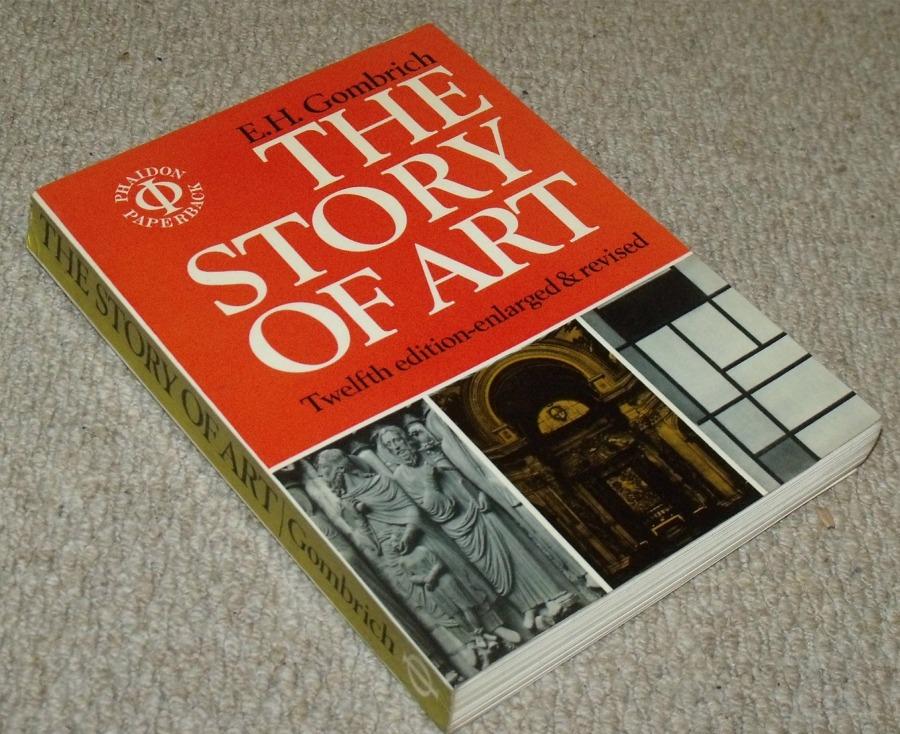
The story of art, had been printed 16 times. Linda Nochlin said why aren’t there no great women artists. As there is lots of men such as Leonardo Di Vinci. Linda Nochlin said:
"The Fault lies not in our stars, our hormones, our mestural cycle, or empty internal spaces, but in our institutions and our education - education understood to include everything that happens to us from the moment we enter this worldof meaningful symbols, signs and signals".
- Linda Nochlin 'Why have there been no great women Artists?' 1971

Reference-
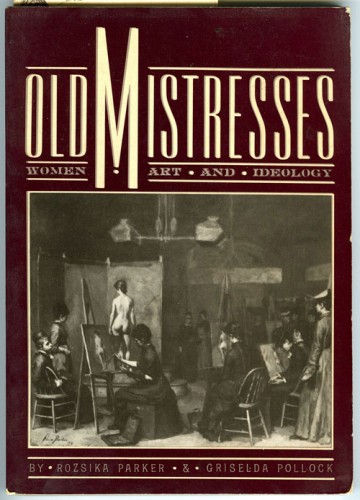
This quote related to the book known as Old Mistress written by Roszika Parker and Griselda Pollock 1981.

Reference-
After this we then looked into what was meant by Ideology.
What is Ideology?
Systems of Belief.
We then looked at the painting by Jacques-Louis David called The Oath of the Horatii, 1784. This picture is about three brothers, were it displays men with strengths and women as weakness, as men are stood with swords, whilst women are just sat behind them. The men are active and the women are passive.

Reference-

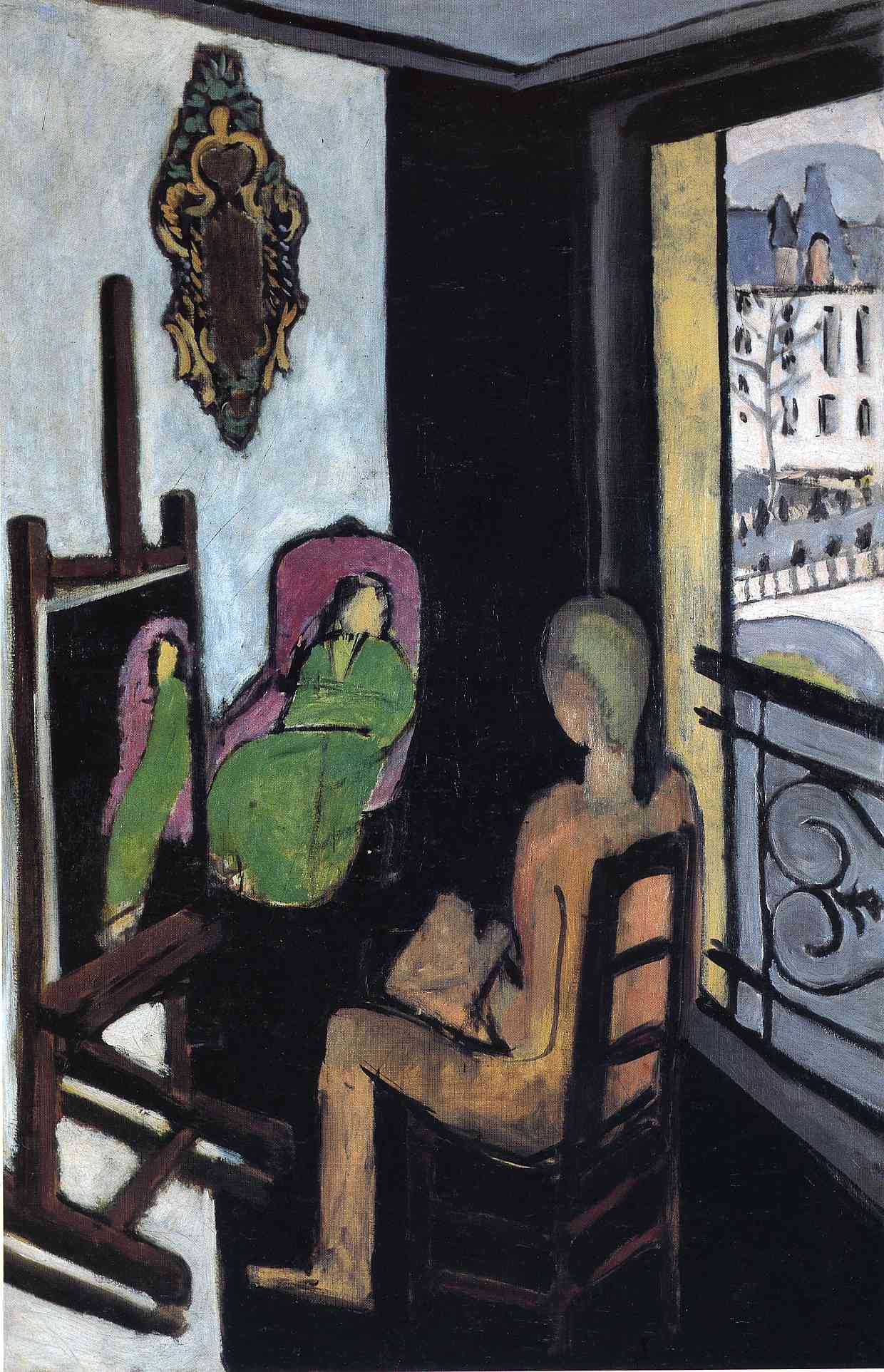
Henri Matisse The painter and his model 1917.
The painter is active as it is a man that doesn’t have clothes on, however the women is passive as she is the opposite and clothed.

Reference-
Allen Jones 1969.
This picture displays a woman like a piece
of furniture. This displays us that we as women are like a piece occurring to
other people.
Cyber feminism that started in the late 1990’s.
Western people were out raged by the act that happened in 2003 by the Russian
riot that took place at the Russian cathedral when the three women were sent to
far away prisons in Siberia.
I found that this lecture was good, as learnt a lot about how women artists are displayed differently to men, and that the work from a woman designer can be viewed very differently to men. I am going to make sure that my work in the future will inspire everyone.
Subscribe to:
Posts (Atom)